
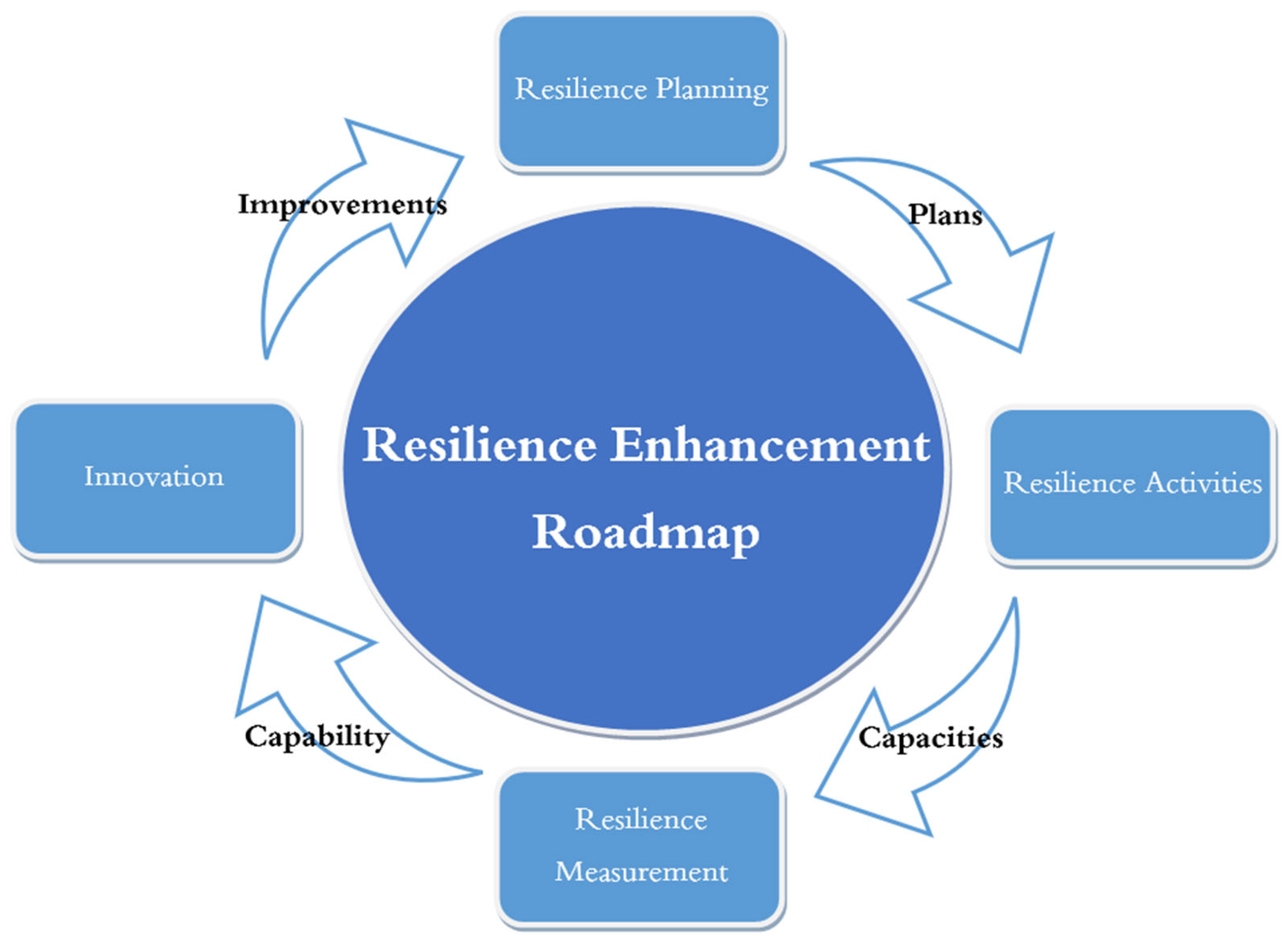
Compliance readiness begins long before a regulatory deadline; it is rooted in the architecture of the organization’s Governance, Risk, and Compliance (GRC) framework. True readiness is the state of being "audit-ready" at any given moment. This requires a shift from a "check-the-box" mentality to a systemic approach where compliance is integrated into every business process. The first pillar of this infrastructure is Policy Lifecycle Management. Policies must not be static documents; they must be living guidelines that are regularly updated to reflect new laws, such as the Digital Operational Resilience Act (DORA) or evolving ESG mandates.
A critical component of readiness is the Internal Control Environment. This involves setting up "defense-in-depth" layers—where operational managers (first line), compliance and risk officers (second line), and internal auditors (third line) work in concert to identify and mitigate risks. Organizations must move toward Continuous Monitoring, where internal controls are tested automatically and frequently, rather than through a once-a-year manual audit. This ensures that if a control fails—such as a security patch not being applied or a mandatory safety training being missed—the organization knows immediately and can remediate before a regulatory breach occurs.
Furthermore, readiness is fundamentally a human challenge. No amount of policy can protect an organization if its employees are not "compliance-aware." This requires Behavioral Compliance Training that goes beyond teaching rules to fostering an ethical culture. When employees understand the "why" behind the regulation—whether it is protecting consumer data or ensuring environmental safety—they are more likely to act as the organization’s first line of defense. By documenting these training efforts and culture-building initiatives, companies create a "Compliance Trail" that proves to regulators that the organization has taken every reasonable step to prevent misconduct.






Add a Comment